


Blog
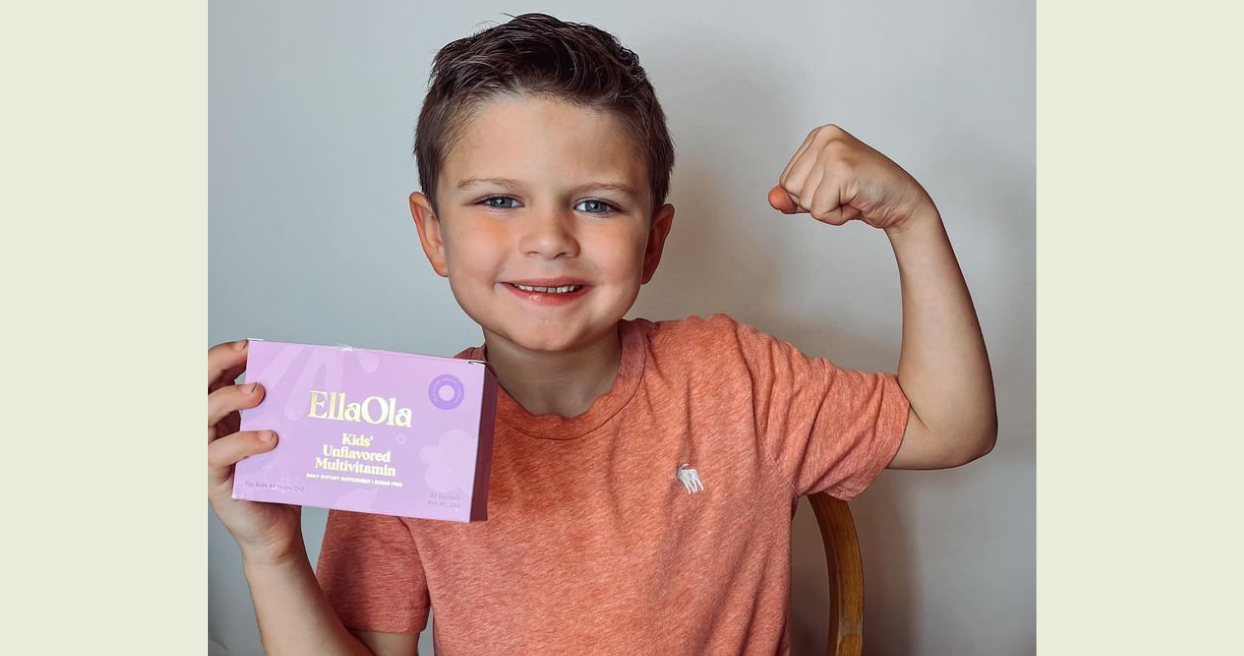
The Ultimate Winter Immunity Vitamin Guide for Kids: What Actually Works According to Pediatricians
While it may be near impossible to avoid coming into contact with common colds, flus, and bugs in the Winter, you can ensure your child is fueled with all the correct nutrients to support their immune system. The stronger and healthier your kid is, the less severe the symptoms of any virus will be, and the quicker they will recover. Keep sick days to a minimum this Winter with these top vitamins and minerals that pediatricians say are vital for young children to consume.
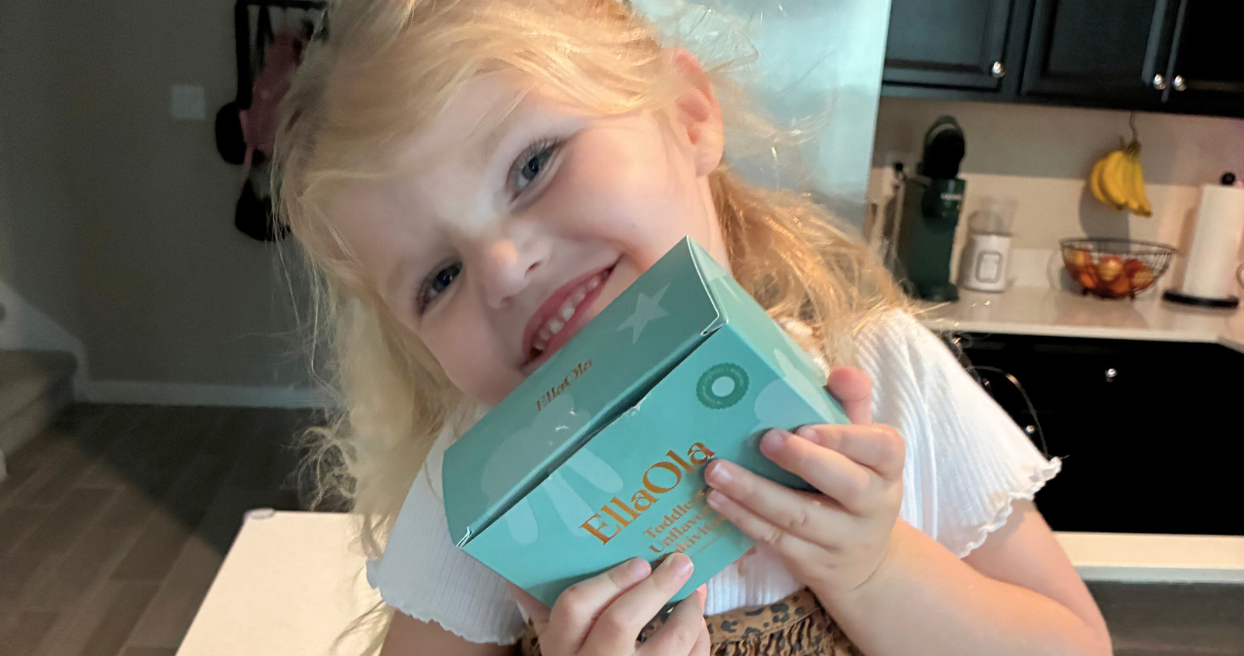
Vitamin D for Toddlers: How Much Is Safe Daily?
• Unless children are consuming a fortified milk formula, vitamin D is one of the only nutrients that doctors recommend babies, toddlers, and kids take a supplement for. Vitamin D is essential for the body to build strong bones and teeth and support a healthy immune system. It plays a crucial part in enabling the body to absorb calcium and phosphate, and without it children are at risk of developing rickets.

Are Liquid Vitamins Safer Than Gummies for Toddlers?
The small solid format of gummies not only makes them difficult for toddlers to swallow, it also means they have a higher sugar content. While liquid vitamins are safer for 1 to 3 years to consume, they too tend to be filled with sweeteners to enhance the taste. Unflavored powder multivitamins are in fact the healthiest and safest supplement option for toddlers, as they can be mixed in with liquids or food, and have the highest absorption rate out of the three formats. When choosing a vitamin for young children, the best product is one that uses naturally sourced vitamins as opposed to synthetic, has third-party approval for its formula, and can be given to a toddler without the risk of choking.

How to Choose the Right Multivitamin for a 2-Year-Old vs. a 4-Year-Old
Because children grow and develop at such a rapid rate, their nutritional needs also need to be reassessed frequently to ensure they are getting the correct amount of vitamins and minerals for their age group. For example kids over 4 need more vitamin A and C than toddlers, whereas those under 3 can be prone to iron deficiency if they are not consuming enough meat, fish, or poultry in their diet. Multivitamin format also needs to be taken into consideration as gummies and tablets can pose a choking hazard to very young kids. In this case, powder multivitamins are the safest option. They also have a higher absorption rate for children and mix in undetected to drinks and foods, so are perfect for fussy eaters of any age.
What Kids’ Vitamins Are Third Party Tested? What Parents Should Know About Clean Formulas and Purity in Supplements
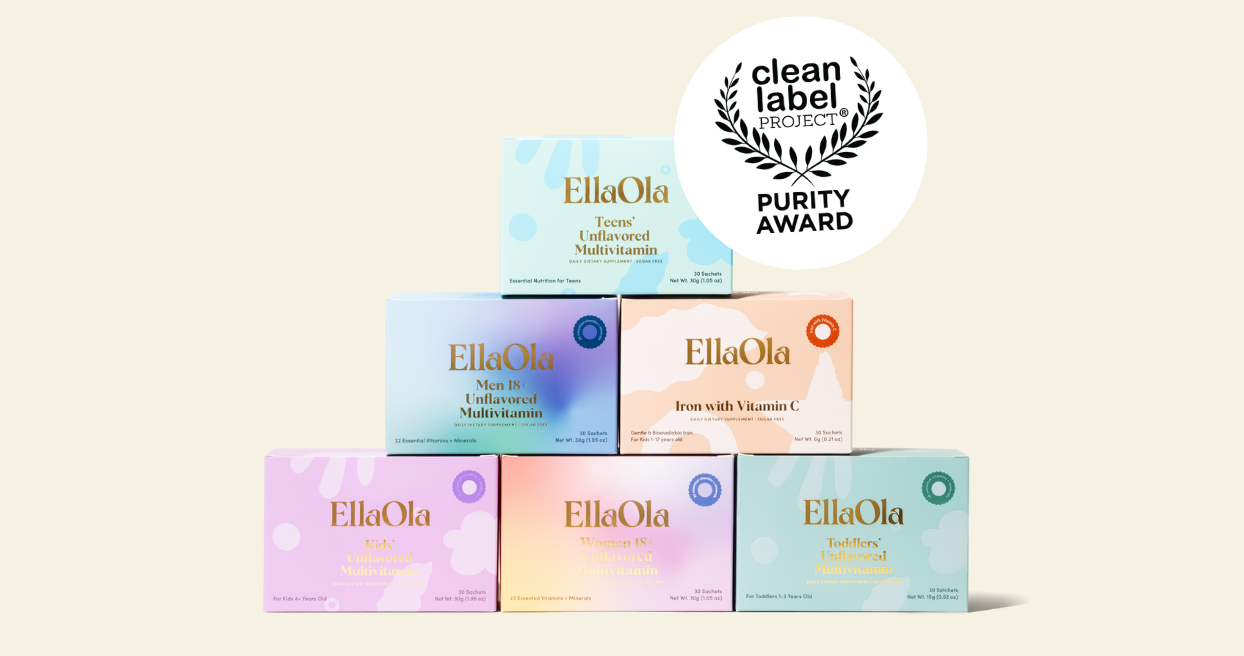
From the very beginning EllaOla has been meticulous in ensuring that their multivitamins not only contain the most important essential nutrients for children, but that their products are also manufactured to the highest standards. In addition to what goes into their multivitamins, the company is also diligent in making sure their supplements are formulated without sugars and sweeteners, are completely free from the 9 top allergens, and free from 200 toxins and contaminants. To ensure complete transparency, after going through extensive third-party testing, EllaOla was awarded the prestigious Purity Award from the independent Clean Label Project, which was established to verify accurate product labelling and insists on intensive examination of ingredients, cleanliness, factory conditions, and safety.
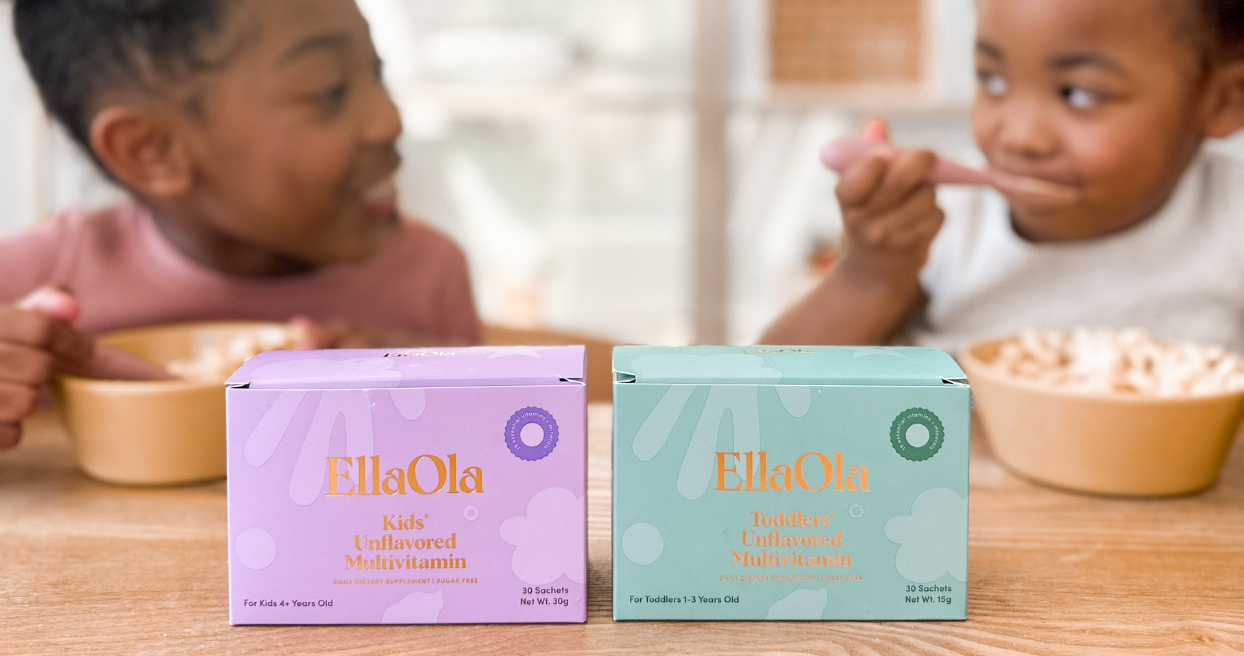
Do Sugar-Free Vitamins Actually Taste Good? Parents and Kids Say Yes
If you are dealing with a fussy eater who is even turning away vitamin tablets, there is a solution to ensure their nutritional needs are being met, without having to resort to sugar laden options. Powder unflavored multivitamins don’t depend on sweeteners for taste, instead they mix into juices, yogurts, and an array of different foods, to go undetected by children and increase their absorption rate. Instead of relying on unnatural flavors, powder multivitamins focus on getting the maximum amount of nutrition into kids, while also encouraging a healthy approach to mealtimes and food.
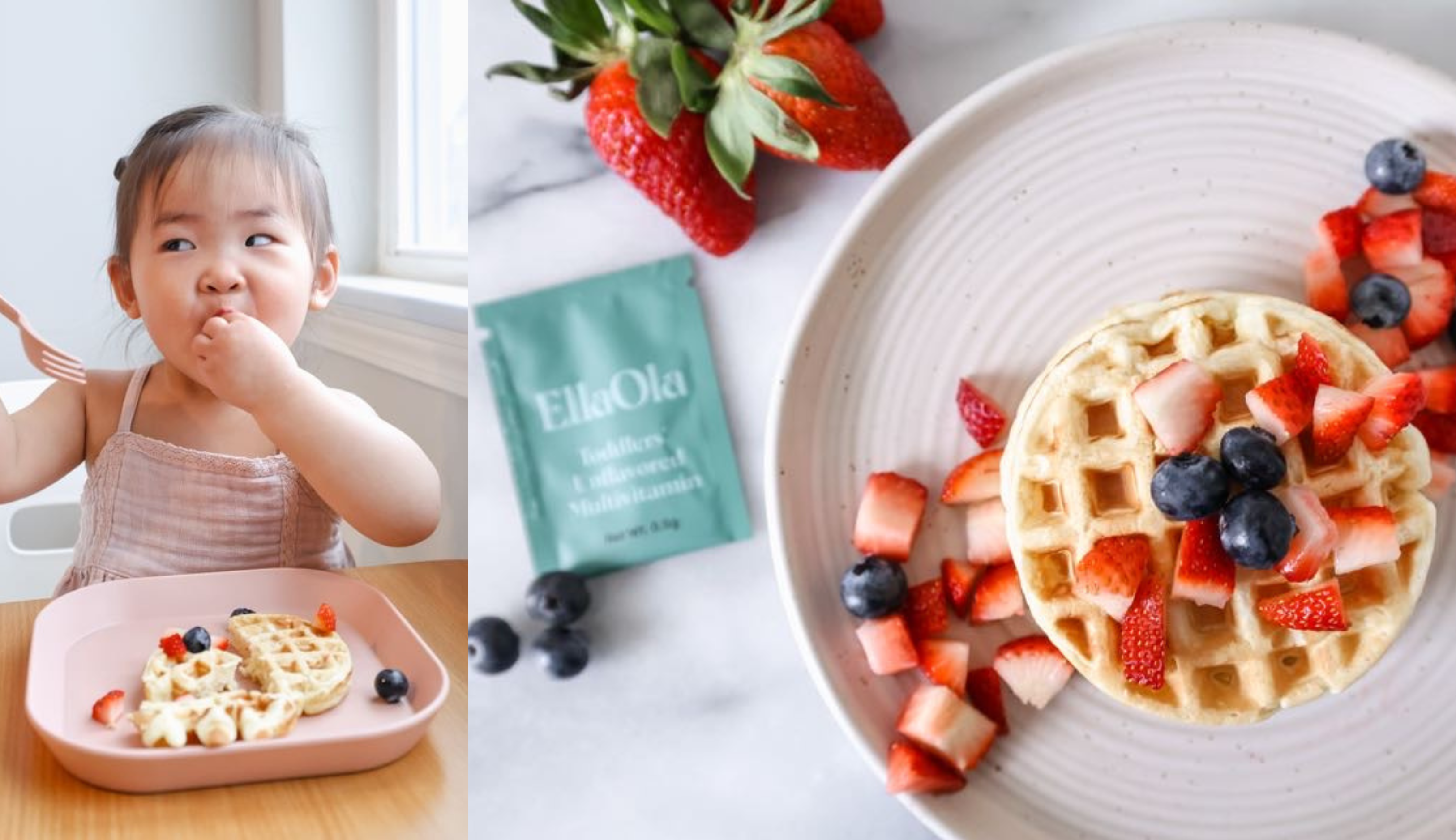
Healthy Breakfast in Minutes: 4 Simple Ways to Sneak More Nutrition Into Breakfast with EllaOla
While it may be near impossible to avoid coming into contact with common colds, flus, and bugs in the Winter, you can ensure your child is fueled with all the correct nutrients to support their immune system. The stronger and healthier your kid is, the less severe the symptoms of any virus will be, and the quicker they will recover. Keep sick days to a minimum this Winter with these top vitamins and minerals that pediatricians say are vital for young children to consume.
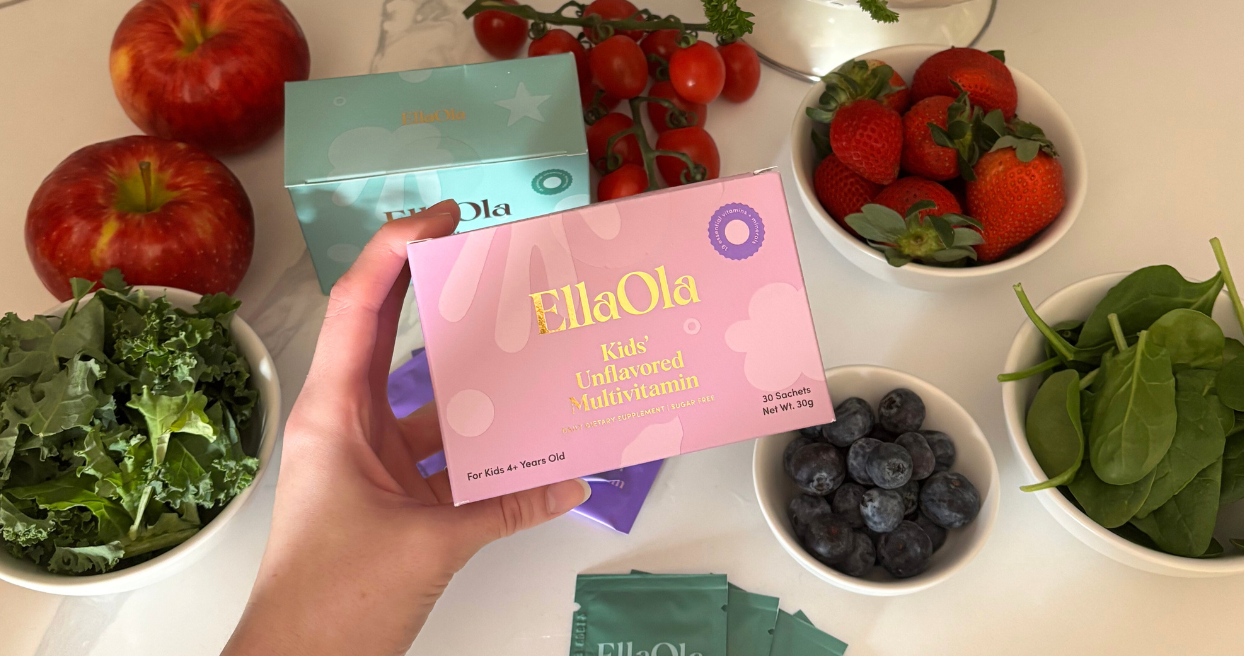
How to Read a Kids’ Vitamin Label: What ‘Clean’ Really Means
When it comes to finding out exactly what goes into a supplement, you need to look beyond the cute packaging, flashy colors, and catchy product name. While they might make a multivitamin look enticing, it’s the small print on the back that you really want to comb through, especially when shopping for a kids’ multivitamin. The good news is you don’t need to be a scientist to decipher the quality of a formula. Below are the main things a high quality and clean vitamin label should have..

The Truth About Synthetic vs. Natural Vitamins in Toddler Supplements
Not all multivitamins are created equally. Just because a supplement is labelled as containing certain vitamins and minerals, doesn’t necessarily mean they can be absorbed effectively enough by the body to make a difference. The key to choosing the best supplement for kids, is to make sure it uses naturally-derived nutrients rather than lab made synthetic versions. Vitamins sourced from whole foods such as fruit and vegetables are more bioavailable, meaning they are easier for the body to absorb and get to work immediately. This is especially important for toddlers and children, who need consistent high quality nourishment to support their growth and development.
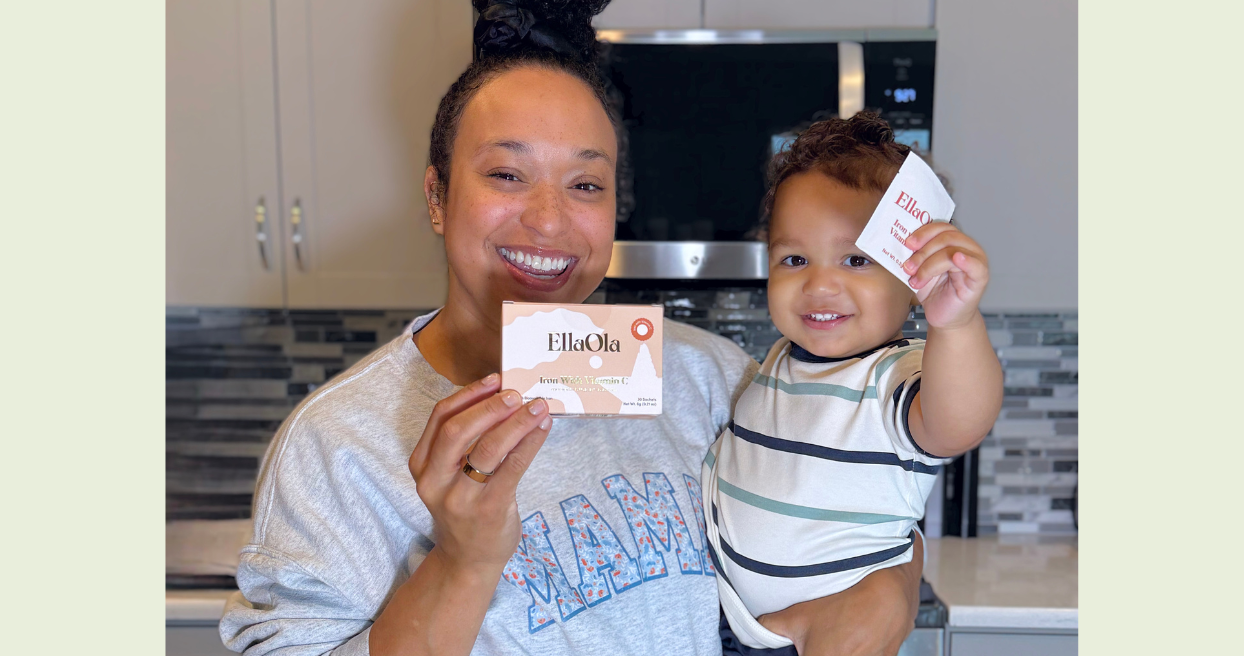
Do Toddlers Actually Need Iron in Their Multivitamin?
Toddlers need about 7mg of iron daily. In theory they should be able to get this from their diet, with the best sources being meat, poultry, fish, cereals, and beans. If your 2 year old is going through a picky eating phase and has been refusing such foods for an extended period of time, then they may need a multivitamin containing iron, or a standalone iron supplement to ensure they don’t develop a deficiency. Toddlers are experiencing a stage of rapid growth, and iron is essential to support brain development, immune function, and to transport oxygen around the body during this phase. Without it, young children can become irritable, fatigued, and their growth may become compromised.
