
Iron deficiency in women is a common nutritional concern, particularly among women who menstruate. Iron is an essential mineral the body needs to make hemoglobin, a protein in red blood cells that helps transport oxygen throughout the body.
When iron levels become too low, symptoms can include fatigue, weakness, dizziness, headaches, and difficulty concentrating. However, these symptoms can have many different causes, so testing is important if you think you may have low iron.
Here are four common signs of iron deficiency in women and what you should know about supporting healthy iron levels.
1. Persistent Fatigue and Weakness
Fatigue is one of the most common symptoms associated with iron deficiency. Iron is needed to produce hemoglobin, which allows red blood cells to transport oxygen throughout the body.
When iron levels are too low, you may feel unusually tired, weak, or low on energy. If you're consistently exhausted despite getting adequate sleep, consider talking with your healthcare provider about whether your iron levels should be checked.
2. Pale Skin or Changes to Your Nails
Pale skin can be associated with iron-deficiency anemia, which occurs when the body doesn't have enough healthy red blood cells due to insufficient iron.
In more significant cases of iron deficiency, changes to the nails can also occur. These may include brittle nails or spoon-shaped nails, known as koilonychia. These symptoms aren't specific to iron deficiency, however, so a healthcare professional can help determine the underlying cause.
3. Shortness of Breath or Dizziness
Feeling unusually short of breath during everyday activities can be another potential symptom of iron-deficiency anemia. Because hemoglobin helps carry oxygen throughout the body, low hemoglobin levels can reduce the amount of oxygen available to your tissues.
Some people may also experience dizziness or lightheadedness. If you experience new, persistent, or severe shortness of breath or dizziness, talk with a healthcare professional rather than assuming it's caused by low iron.
4. Headaches or Difficulty Concentrating
Some people with low iron or iron-deficiency anemia may experience headaches, difficulty concentrating, or problems with attention and memory.
Because headaches and difficulty concentrating can have many causes, these symptoms alone don't necessarily mean you're iron deficient. If they're persistent or occur alongside other symptoms of low iron, consider discussing iron testing with your healthcare provider.
Why Are Women at Risk for Iron Deficiency?
Women who menstruate can have higher iron needs because iron is lost through menstrual blood. Heavy menstrual bleeding can further increase the risk of iron deficiency.
Iron needs also increase substantially during pregnancy. Other factors, including dietary patterns, certain gastrointestinal conditions, and problems absorbing iron, can affect a person's iron status.
How to Support Healthy Iron Levels
A balanced diet containing iron-rich foods can help support healthy iron intake. Sources of iron include meat, poultry, seafood, beans, lentils, spinach, and iron-fortified foods.
Vitamin C can help increase the absorption of non-heme iron found in plant-based foods. Pairing foods such as beans or leafy greens with vitamin C-rich foods like citrus fruits, strawberries, bell peppers, or broccoli can help your body absorb more of the iron they contain.
Women who have difficulty meeting their nutritional needs through diet may also consider an iron-containing multivitamin based on their individual needs and guidance from a healthcare professional.
A Women's Multivitamin With Iron
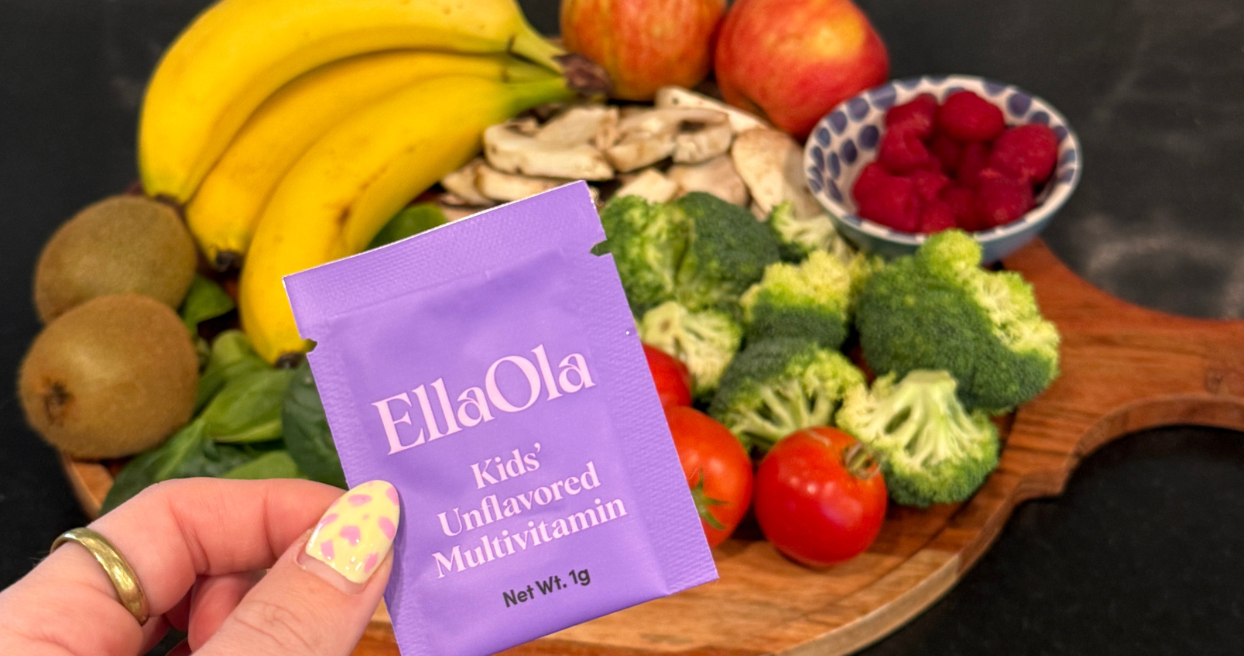
EllaOla Women's Unflavored Multivitamin provides iron along with essential vitamins and minerals in an easy-to-use unflavored powder.
Designed to help supplement a balanced diet, our adult formulas provide nutrients that support normal energy metabolism and overall health without added flavors.
Because too much iron can be harmful, iron supplementation isn't appropriate for everyone. If you suspect you have an iron deficiency, talk with your healthcare provider about appropriate testing and whether an iron-containing supplement is right for you.