
Two weeks into the school year and your child is already home with the first runny nose. Or the calendar says it's coming and you're bracing for it. Either way, the question in your head is the same: is there something I should be doing?
Most of what protects kids through the school year is routine. Sleep, food, handwashing, vaccines. This back-to-school checklist covers each one, so you can see what you're already doing, add what's missing, and know when back-to-school vitamins or an immune supplement has a real job to do. At EllaOla, we developed our supplements with pediatricians and pediatric dietitians to help fill the everyday nutritional gaps meals can leave.
Why Kids Get Sick When School Starts
A new classroom means a wave of germs your child's immune system hasn't met yet. Close contact, shared toys, shared tables. For toddlers and preschoolers in their first years of group care, frequent colds are the norm, and many pediatricians consider that expected, not a sign of a weak immune system.
Each cold is the immune system doing its homework. Kids build immune memory by meeting germs, and the catch-every-bug stage fades as that memory grows.
School also shakes up the routines that keep kids well. Earlier wake-ups cut into sleep. Packed lunches come home half eaten. Outdoor time shrinks. Most of what follows is about steadying those routines, because that's where immune support for kids starts.
The Back-to-School Immunity Checklist
1) Reset the Sleep Schedule
Sleep supports the immune system, and earlier school mornings are usually the first thing to cut into it. How much sleep your child needs depends on age, and the target drops from the preschool years to the teens.
Start moving bedtime 15 minutes earlier every few nights, ideally a week or two before school starts. Screens go off before bed, and the weekend wake-up stays close to the weekday one.
Teens run on a later natural clock and face the earliest start times, so they build up the biggest sleep debt. Guard their bedtime hardest of all.
2) Pack Immune Nutrients Into Meals
The nutrients most tied to immune function are vitamin C, vitamin D, zinc, vitamin A, and protein. In food terms: citrus, berries, and bell peppers; fortified milk and eggs; beef and beans (plus pumpkin seeds for older kids); orange and leafy vegetables; and a protein at every meal.
Aim for colorful fruits and vegetables at most meals, plus whole grains. Then plan for the lunchbox reality: what gets packed and what gets eaten are two different amounts.
The after-school snack is your second chance at the day's nutrition. On the packing side, our one-minute school lunch hack helps when mornings are tight.
Picky eaters get there slower. Keep offering new foods next to familiar ones without pressure.
3) Make Handwashing Automatic
Soap and water, scrubbed for 20 seconds (about two rounds of "Happy Birthday" for younger kids), is the standard. The moments to cover: walking in the door at home, before eating, after the bathroom, and after nose-blowing.
When soap and water aren’t available, use hand sanitizer with at least 60% alcohol, following school rules. Young children should use it with adult supervision. Teach the elbow cough, and make water bottles and utensils a no-share zone.
4) Send a Full Water Bottle
Hydration keeps the linings of the nose and throat moist, and those membranes are part of the body's first line of defense against germs. A water bottle goes to school daily, and refilling it becomes the habit. Water wins over juice boxes and sports drinks.
5) Keep Kids Moving, Preferably Outside
Daily movement counts in every form: recess, the walk home, after-school play. Make outdoor activity part of the routine when practical, while continuing appropriate sun protection.
6) Book the Flu Shot and the Well-Child Visit
Start by confirming your child's routine vaccines are current. Fall is the season to ask your pediatrician about this year's flu vaccine.
The back-to-school physical is also the moment to raise nutrition. Bring a short list: how your child eats, any restricted diets, how often they've been sick, and whether vitamin D or iron is worth checking.
7) Protect Downtime
New teachers, new rooms, drop-off tears, and social pressure all land at once. Build in unstructured time after school and keep routines predictable, especially around bedtime. A calmer transition protects the sleep schedule you just reset.
Do Kids Need Vitamins for Immunity?
The American Academy of Pediatrics says a healthy child eating a well-balanced diet gets what they need from meals, with no vitamin supplement needed. Sleep, meals, handwashing, and vaccines come first.
For toddlers, the AAP notes that some may need a vitamin or mineral supplement when family eating habits limit the food groups available, with a vegan household as its own example.
At any age, the same gaps come up: vitamin D through fall and winter, iron in kids who eat little meat, and broader gaps in vegetarian and vegan kids, plus picky eaters whose plates stay narrow. When it's difficult to get your child to consistently eat a varied diet, a multivitamin can help fill everyday nutritional gaps.
More isn't better, either. The AAP warns that megadoses of vitamins such as A, C, and D can cause toxic symptoms. Fat-soluble vitamins like A and D also build up in the body rather than washing out.
Store every supplement out of reach, the way you'd store medicine, and talk to your pediatrician before adding iron or any other single-nutrient supplement.
Back-to-School Vitamins and Other Immune Support Basics
Vitamin D, vitamin C, and zinc each support normal immune function. Food covers vitamin C and zinc for most kids; vitamin D is harder to get from meals alone.
1) Vitamin D
Few foods naturally contain much vitamin D. The 2025 Dietary Guidelines Advisory Committee’s scientific report identified vitamin D as a nutrient of public health concern and estimated that 96% of Americans ages 1 and older get less than the estimated average requirement from food and drinks. That population figure includes adults and does not mean 96% of children have a diagnosed vitamin D deficiency.
We've taken a deeper look at vitamin D for kids if you want the longer version.
2) Vitamin C
Vitamin C is an antioxidant that supports white blood cells and antibody production, and it's the easiest immune nutrient to get from food: oranges, strawberries, bell peppers, broccoli, kiwi.
3) Zinc
Zinc is needed for immune cells to develop and respond. Kids get it from meat, beans, dairy, and fortified cereals, and older kids can add pumpkin seeds.
Go easy on zinc supplements, though. Too much can interfere with copper absorption, and the safe daily upper limits for kids are low. Before adding a zinc supplement, or any immune product that contains zinc, check what your child's multivitamin already provides and ask your pediatrician what's right for their age.

4) Probiotics and Gut Health
Gut health keeps coming up in immunity conversations because the gut microbiome and the immune system are closely linked. Food does the daily work here: yogurt with live and active cultures, kefir, and other fermented foods, plus the fruits, vegetables, and whole grains whose fiber feeds those good bacteria. Save the kombucha for the grown-ups.
Probiotic supplements differ a lot from one strain to the next. If your child has a health condition, ask your pediatrician before starting one.
We make our Tasteless Digestive Pre+Probiotic as a daily supplement that supports kids' digestive health, with 15 probiotic strains, 10.5 billion CFUs per serving, and prebiotic fiber, all in a colorless powder for toddlers through teens.
5) Elderberry
Elderberry shows up in a lot of kids' immune products, including our own Tasteless Immunity. Research on it in children is limited, and homemade elderberry preparations aren't a safe shortcut, so talk to your pediatrician before adding any elderberry product.

Choosing a Kids' Immune Supplement
A supplement makes sense when your child's diet makes a gap likely or your pediatrician finds one. From there, look for:
-
An age-appropriate dose, since toddler, kid, and teen needs differ
-
Third-party testing for heavy metals
-
Zero added sugar or artificial sweeteners; many immune gummies carry added sugar, and dentists point at the sugar and the stickiness
-
A format your child will take daily, whether that's a chewable, a liquid, or a powder stirred into food
-
Ingredients and allergen information that match your child’s specific allergies and any school requirements
-
No overlap with what your child already takes
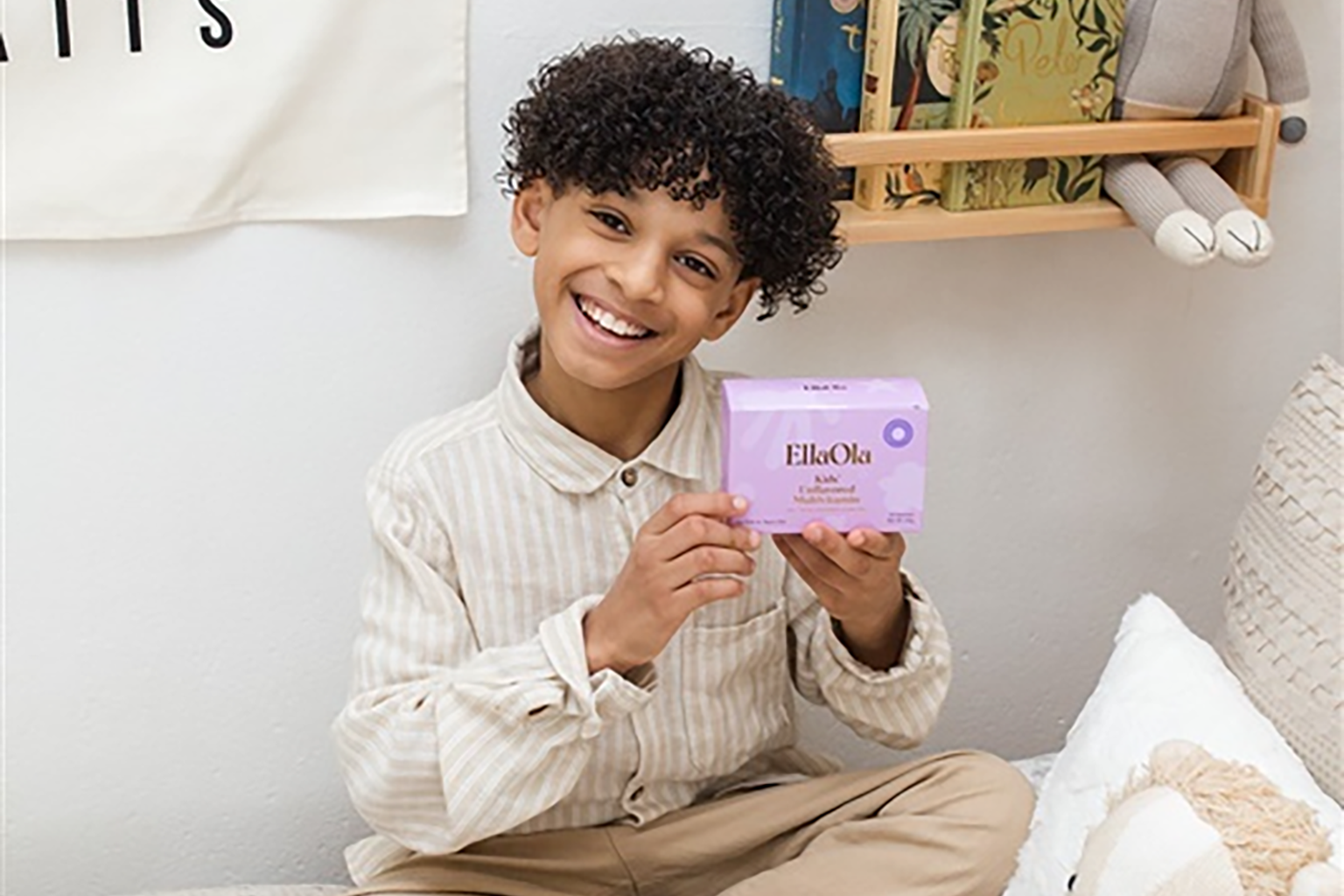
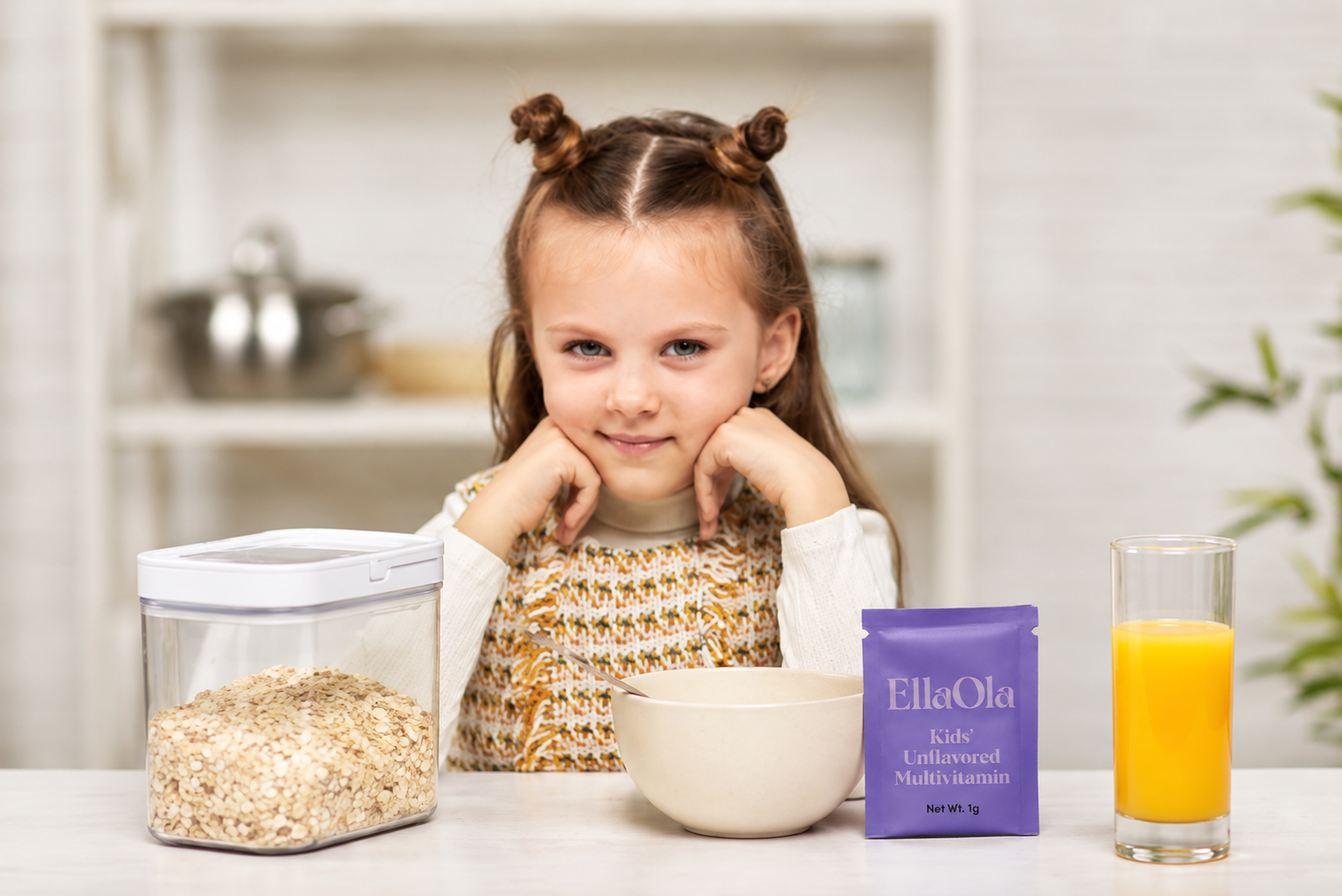
If your child already takes a daily multivitamin, like our Toddlers' Essential Unflavored Multivitamin or Kids' Essential Unflavored Multivitamin, bring both labels to your pediatrician before adding an immune product, so the same nutrients aren’t doubled. Our Kids’ Essential Unflavored Multivitamin, for example, already includes vitamin D and zinc.
Our Tasteless Immunity is how we approach the format problem: an unflavored, colorless powder designed for kids 2 and up that disappears into a smoothie, yogurt, or water, with a blend of superfruits, vitamin C, vitamin D, zinc, and organic elderberry. It has zero sugar, is free from the top 9 food allergens, and is third-party tested for heavy metals. One stick pack a day.
If picky eating is what brought you here, our multivitamins for picky eaters page covers the powder approach in more detail, and our multivitamins are HSA/FSA eligible when purchased through Truemed. Explore our multivitamins collection for the rest of the lineup.
When Frequent Sickness Is Worth a Pediatrician Visit
Frequent colds can be common in school and daycare, but contact your pediatrician if the pattern concerns you. Seek prompt medical assessment for trouble breathing or signs of dehydration. Call 911 for severe breathing difficulty, blue or gray lips or face, or difficulty waking your child.
Also contact your pediatrician for ear pain, persistent or recurring fever, symptoms that improve and then worsen, repeated infections requiring antibiotics, poor weight gain, or unusual tiredness that continues beyond the illness.
If frequent illness comes with persistent low energy, pale skin, poor growth, or a restricted diet, share those details with your pediatrician. These symptoms can have several causes, and your pediatrician can decide whether nutritional assessment or testing is appropriate to see if there are signs of a possible vitamin deficiency
The Printable Back-to-School Immunity Checklist
Save or print this and stick it on the fridge for the first month of school:
-
Sleep target set by age, with bedtime moving 15 minutes earlier
-
Lunchbox: a fruit or vegetable, a protein, a full water bottle
-
Handwashing at the door, before meals, after the bathroom
-
School-approved sanitizer with at least 60% alcohol, with adult supervision for young children
-
Flu shot scheduled and routine vaccines confirmed current
-
Well-child visit booked, with questions on eating, energy, vitamin D, and iron
-
Supplement check: is one needed, is the dose age-appropriate, does it overlap the multivitamin
What to Set Up Before the Next Cold
Most of this list you were already doing, and the rest can start tonight. Move bedtime 15 minutes, put the water bottle by the backpack, get the flu shot on the calendar, and write down your questions for the well-child visit.
If your child's diet leaves a gap, or your pediatrician finds one, help fill it with something age-appropriate, third-party tested, and sugar-free, reviewed alongside any multivitamin your child already takes.