
Feeling tired even after a full night's sleep? While fatigue can have many causes, nutrition can play an important role. Certain vitamin and mineral deficiencies can contribute to tiredness and low energy, particularly when they affect red blood cell production, oxygen transport, or normal energy metabolism.
So, what vitamins and minerals help support energy? Below, we explore five important nutrients—including iron, vitamin B12, folate, vitamin D, and vitamin C—and the roles they play in supporting your body's everyday functions.
1. Iron: Supports Oxygen Transport and Energy
Iron is an essential mineral for energy and overall health. Your body needs iron to produce hemoglobin, a protein in red blood cells that transports oxygen from your lungs to tissues throughout your body.
When iron levels are too low, iron deficiency or iron-deficiency anemia can develop. Fatigue, weakness, dizziness, and shortness of breath are among the potential symptoms. Women who menstruate, particularly those who experience heavy menstrual bleeding, can be at greater risk of iron deficiency.
2. Vitamin B12: Supports Normal Energy Metabolism
Vitamin B12 plays an important role in normal energy metabolism and is also needed for healthy red blood cell formation and normal nervous system function.
A vitamin B12 deficiency can lead to megaloblastic anemia, which may cause fatigue and weakness. Because vitamin B12 is naturally found primarily in animal-derived foods, people following vegan or certain vegetarian diets should pay particular attention to getting adequate B12 through fortified foods or supplements.
3. Folate: Important for Healthy Red Blood Cell Formation
Folate, also known as vitamin B9, is essential for DNA synthesis and cell division. Along with vitamin B12, folate also plays an important role in the formation of healthy red blood cells.
Inadequate folate can lead to megaloblastic anemia and associated symptoms such as weakness and fatigue. Folate is particularly important before and during pregnancy because adequate intake helps reduce the risk of neural tube defects.
4. Vitamin D: Supports Muscle and Immune Function
Vitamin D plays an important role in numerous functions throughout the body, including supporting healthy bones, muscles, and immune function.
Low vitamin D levels can occur in people with limited sun exposure, certain dietary patterns, or other risk factors. If you're concerned that you aren't getting enough vitamin D, a healthcare professional can help determine whether testing or supplementation is appropriate.
5. Vitamin C: Supports Iron Absorption
Vitamin C is an essential nutrient and antioxidant that supports normal immune function and collagen production. It also has an important relationship with iron.
Vitamin C helps increase the absorption of non-heme iron, the type of iron found in plant-based foods. Pairing iron-rich foods such as lentils, beans, or spinach with vitamin C-rich foods such as oranges, strawberries, bell peppers, or broccoli can help improve iron absorption.
What Vitamin Deficiencies Can Cause Fatigue?
Deficiencies in nutrients such as iron, vitamin B12, and folate can contribute to anemia and fatigue. Other nutritional deficiencies may also be associated with symptoms such as weakness or tiredness.
However, persistent fatigue doesn't necessarily mean you have a vitamin deficiency. Sleep problems, stress, medications, and a variety of health conditions can also cause tiredness. If fatigue is persistent or unexplained, consider discussing it with your healthcare provider rather than relying on supplements alone.
How to Support Energy Through Nutrition
A balanced diet that includes adequate protein, fruits, vegetables, whole grains, and other nutrient-dense foods can help provide the vitamins and minerals your body needs for normal energy metabolism.
When your diet doesn't consistently provide enough of certain nutrients, a multivitamin may help fill nutritional gaps. Your individual needs can vary based on your diet, age, lifestyle, and other factors.
Women's Daily Nutrition With EllaOla
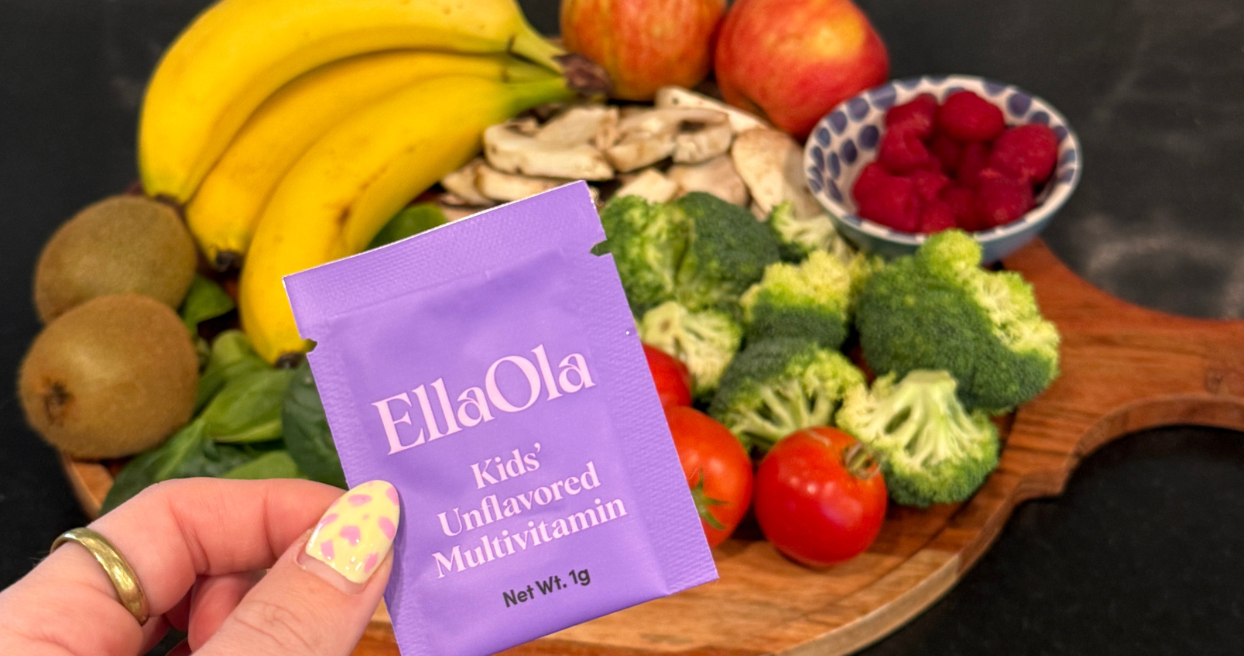
EllaOla Women's Unflavored Multivitamin provides essential vitamins and minerals designed to complement a balanced diet and support women's everyday nutritional needs.
- 23 essential vitamins and minerals
- 15 fruits and vegetables
- Zero added sugar
- No artificial sweeteners
- Contains iron
- Developed with dietitians
- Unflavored powder that's easy to add to food or drinks
Instead of relying on a gummy or flavored supplement, EllaOla's unflavored powder makes it easy to add essential nutrients to foods and drinks you already enjoy.
Explore EllaOla Women's Unflavored Multivitamin and discover an easy way to help fill nutritional gaps in your everyday diet.